AI in Digital Marketing: What You Need to Know in 2026
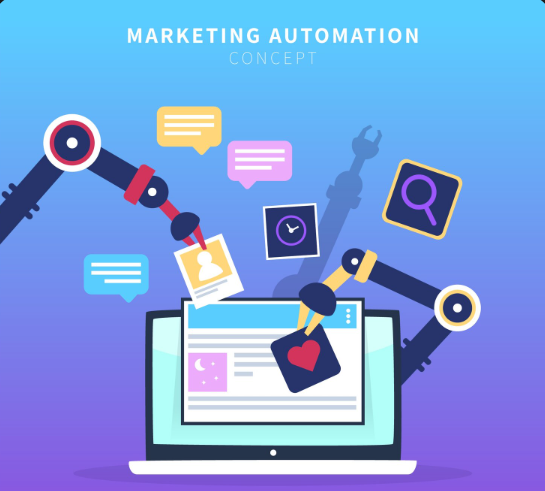
AI in Digital Marketing: What You Need to Know in 2026 Artificial Intelligence (AI) is transforming the way businesses approach digital marketing. In 2026, AI is no longer just a trend—it’s a necessity. From automating repetitive tasks to delivering highly personalized customer experiences, AI is helping brands achieve better results with less effort. If you want to stay competitive, understanding how AI fits into digital marketing is essential. What is AI in Digital Marketing? AI in digital marketing refers to the use of advanced technologies like machine learning, data analytics, and automation tools to improve marketing performance. It helps businesses analyze large amounts of data, understand customer behavior, and make smarter decisions in real time. 1. Hyper-Personalization at Scale One of the biggest advantages of AI is its ability to deliver personalized experiences. AI tools analyze user behavior, preferences, and past interactions to show the right content to the right audience. Whether it’s product recommendations, email campaigns, or ads, personalization increases engagement and conversions. 2. Smarter Content Creation AI-powered tools can now generate blog ideas, social media captions, and even full-length content. While human creativity is still important, AI helps speed up the content creation process and ensures consistency. Marketers can focus more on strategy while AI handles the heavy lifting. 3. Chatbots and 24/7 Customer Support AI chatbots are becoming more intelligent and human-like. They can answer customer queries instantly, guide users through websites, and even assist in making purchases. This improves customer experience and reduces the need for large support teams. 4. Predictive Analytics AI can predict future trends based on past data. This helps businesses understand what customers are likely to do next. For example, AI can identify which leads are more likely to convert or which products will be in demand, allowing marketers to plan campaigns more effectively. 5. Improved Ad Targeting AI has revolutionized online advertising. Platforms like Google Ads and social media channels use AI to optimize campaigns automatically. AI analyzes user behavior and adjusts targeting, bidding, and placements to maximize ROI and reduce wasted ad spend. 6. Voice and Visual Search Optimization With the rise of voice assistants and image-based searches, AI is changing how users find information online. Businesses must optimize their content for voice queries and visual search to stay relevant in 2026. 7. Marketing Automation AI-powered automation tools streamline tasks like email marketing, social media posting, and lead nurturing. This saves time and ensures consistent communication with customers. Automation also helps deliver messages at the perfect time for better engagement. 8. Data-Driven Decision Making AI eliminates guesswork by providing accurate insights based on data. Marketers can track performance, analyze campaigns, and make informed decisions quickly. This leads to better strategies and higher returns on investment. Challenges of AI in Marketing While AI offers many benefits, it also comes with challenges. Over-reliance on automation can reduce human touch, and data privacy concerns are increasing. Businesses must strike a balance between technology and authenticity while ensuring ethical use of customer data. Final Thoughts AI is reshaping digital marketing in ways we couldn’t imagine a few years ago. In 2026, businesses that embrace AI will have a clear advantage over those that don’t. The key is to use AI as a tool to enhance creativity, improve efficiency, and deliver better customer experiences. At Clicknect, we help businesses integrate AI-driven strategies into their marketing efforts to drive real growth. If you’re ready to leverage the power of AI, now is the time to take action and stay ahead of the competition.